
Choosing Between Swedish and Deep Tissue Massage for Stress Relief
Stress is a daily reality for many people, and its effects can quickly build up in the body—leading to muscle tension, headaches, and difficulty relaxing, especially after long days at work or busy weeks at home. At Endurance Therapeutics, one of the top questions clients ask is: “Should I book a Swedish massage or a deep tissue massage for stress?” Choosing the most effective approach for your unique needs is essential, and the right answer isn’t always straightforward. Both Swedish and deep tissue massage offer stress-relieving benefits, but how they work and who benefits most can be quite different.
Being empowered with this decision means understanding the techniques, outcomes, and experience each service provides. Kelley Miller, founder of Endurance Therapeutics, is passionate about helping clients in McKinney navigate their options based on evidence and individual wellness goals. This guide lays out the key differences and considerations so you can confidently pick the massage style that best supports your stress relief journey.
In This Article:
- The Fundamentals: How Swedish and Deep Tissue Massage Work
- Stress Relief Outcomes: What Can You Expect from Each Style?
- Understanding Client Profiles and Needs (PAA)
- How to Decide: Questions to Ask Before You Book
The Fundamentals: How Swedish and Deep Tissue Massage Work
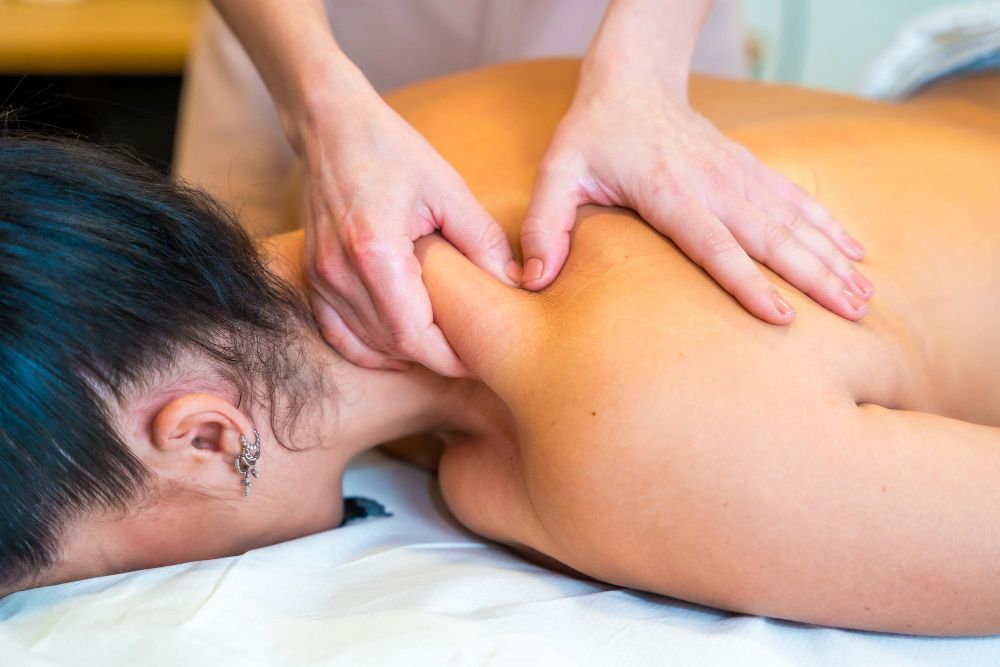
Swedish massage is designed around promoting relaxation, circulation, and an overall calming effect on both mind and body. It uses long, sweeping strokes, kneading, and gentle stretching to help reduce stress hormones and soothe tired muscles. Clients usually report a deep sense of calm—even those who don’t have significant muscle pain or tension.
Deep tissue massage, on the other hand, targets the deeper layers of muscle and connective tissue. The technique applies more pressure, focused work on knots, scar tissue, and chronic tension points, which can sometimes be momentarily intense or slightly uncomfortable during the session. This style is very effective where stress has led to stubborn muscle issues that won’t resolve on their own.
→ From a professional standpoint: Swedish is best if your main goal is unwinding and gentle relaxation; deep tissue works for relief from stress that manifests as persistent muscle pain and tightness.
Stress Relief Outcomes: What Can You Expect from Each Style?
Swedish massage often leaves clients feeling calm, refreshed, and lighter on their feet. The nervous system downshifts, and many notice a better night’s sleep or improved mood following a session. This makes it a top pick for those who carry their stress emotionally or find themselves mentally wound up.
Deep tissue massage is a great fit for those whose stress shows up physically—think locked-up shoulders, tension headaches, or chronic knots. The initial session can sometimes bring post-massage soreness, similar to what you’d feel after a tough workout, but the longer-term results are a lasting reduction of pain, better range of motion, and true muscle release. Both styles help with stress but in distinct ways.
Understanding Client Profiles and Needs
Many clients ask: “How do I know which massage is right for my type of stress?” The choice depends on your unique body, history, and stress patterns. If you experience muscle pain, limited flexibility, or have unresolved injuries, deep tissue might be the better route. If you’re just looking to unwind, improve mood, or address mild tension without discomfort, Swedish is often ideal.
- Swedish: great for general stress, lighter sensitivity, or first-time massage clients
- Deep tissue: for chronic tension, pain, or stress tied to physical demands
- Combining both: some clients alternate between the two based on weekly needs
A quick tip to remember: The key is to share your specific symptoms and goals with your therapist so they can guide you toward the option that will offer the best results.
How to Decide: Questions to Ask Before You Book
Before making your choice, ask yourself (and your therapist) a few core questions:
- What is my main goal—immediate relaxation or deep muscle relief?
- How does my body react to different levels of pressure?
- Do I have pre-existing injuries or medical concerns?
- Do I want ongoing care or a one-time reset?
In McKinney, Endurance Therapeutics encourages open dialogue before every session—ensuring you receive a customized plan matched to your current needs and future goals. Don’t hesitate to ask for the therapist’s input or book a short consultation to talk through your options first.
Make Your Next Session Count
Choosing between Swedish and deep tissue massage doesn’t have to be a guess. With the right information and a provider who listens, you can get the type of stress relief you truly need. Whether you’re seeking gentle relaxation or more targeted therapy, scheduling with Endurance Therapeutics means your concerns, goals, and comfort will always guide the process. Reach out today to craft your next massage experience and take a step toward greater calm and balance.
Share This Blog